


Reading Roulette Online Betting Pattern Analysis Without Chasing Ghosts
When an operator looks at roulette online betting pattern analysis, the first question is never whether the wheel remembers yesterday. It is whether the player is reading a signal or a story. I have run FP&A models on iGaming floors where the same session data gets sliced three different ways by marketing, compliance, and the treasury team, and none of them agree on what “pattern” actually means. For an Australian adult sitting down on a Tuesday arvo with a coffee and a bankroll, the useful question is simpler: what can you actually see on screen, how is it presented, and where does the interface quietly steer your attention? That is the review focus here, because a betting pattern tool is only as honest as the navigation, localisation, and visual hierarchy wrapping it.
What the Screen Actually Shows Before You Place a Spin
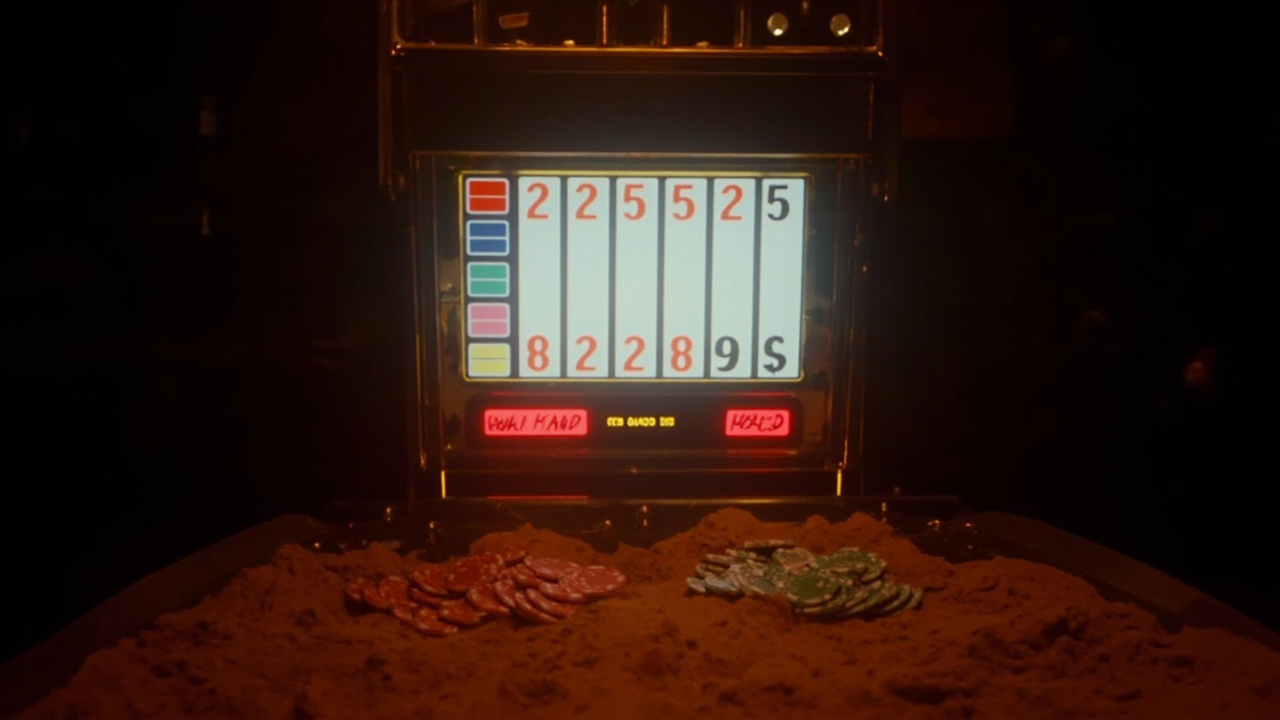
A practical walkthrough starts at registration, because that is where the data trail begins. You land on a roulette online betting pattern analysis view that is usually tucked behind a history or session panel rather than front-and-centre, which is intentional from a product standpoint. The interface tends to show recent outcomes, a colour or number tally, and sometimes a streak counter, all rendered in a compact panel that sits beside the bet slip. In a well-localised build for Australian players, you will see AUD as the default currency, metric measurements for any on-site distance or display info, and spelling that matches local usage rather than a generic global template. Navigation should let you move from the pattern panel to game selection without reloading the whole page, and the visual identity needs to keep the betting controls distinct from the history readout so you are not mistaking a past result for a prompt to act. I have audited operator dashboards where the same data feed was styled two ways for two markets, and the one that kept the history panel visually subordinate to the bet controls produced fewer confused support tickets. The takeaway for a player is that the screen is a ledger, not a forecast, and the layout tells you which one the operator wants you to treat as the centre of attention.
| Detail | What it means in practice |
|---|---|
| Positioning | Session history and pattern readouts sit beside, not above, the betting controls |
| Games and providers | Roulette variants from multiple suppliers, with a consistent result feed across them |
| Bonus mechanics | Terms shown in AUD with clear wagering and game-weight disclosures near the panel |
| Payments and currencies | AUD balances, local card and e-wallet options, with no mixed-currency confusion |
| Registration | Standard identity checks before real-money play, with geo and age gates in place |
| Mobile | Same panel structure on mobile, with the history view resizing rather than hiding |
| Support | Live chat and email with local-hours coverage and a visible escalation path |
| Loyalty | Points or tier progress shown separately from betting history to avoid conflation |
How the Interface Frames a Pattern While You Play
Once you are in a session, the walkthrough is really about how the interface keeps you oriented without pretending to be a crystal ball. A roulette online betting pattern analysis panel on a live table usually updates after each spin, and the useful design choice is whether that update is a quiet refresh or a loud animation. The quieter version keeps the focus on your stake, the table limit, and the next decision; the louder version can make a streak look more meaningful than it is. Localisation matters here too, because an Australian-facing table should present limits, denominations, and any local language cues in a way that matches the rest of the site rather than importing a foreign template wholesale. If you are playing at a Geelong club night or from a home setup, the same usability principles apply: the navigation should let you check the history, adjust your view, and place a bet without hunting through menus. From an operator finance perspective, the cost of a cluttered pattern panel is not just a bad review; it is a higher rate of misread sessions and more time spent untangling them in support. The practical lesson is that a pattern view is most useful when it is legible, stable, and visually separate from the action buttons, so you can actually compare what happened with what you are about to do. gates of olympus slots max win
One Common Misconception, and Why the Reality Is Messier
A brief detour is warranted because this topic attracts a stubborn myth: that a pattern readout can tell you what comes next well enough to structure a staking plan around it. The reality is more nuanced, and it is not just a responsible gambling slogan. As Blake Bennett, Risk and Integrity Manager, Laneway Interactive Media, puts it, “A pattern panel is a record of what has already happened, not a signal that the next outcome owes anyone a correction.” That distinction matters financially as much as it matters ethically. In FP&A terms, the cost of treating history as a forecast shows up in bankroll volatility, not in any hidden house trick. Ava Patel, Responsible Gambling Adviser, Koala Digital Group, is clearer still: “If a view makes a run look like a trend, players can start setting their next bet around the screen instead of around their own limits.” The nuance is that a pattern tool can be genuinely useful for tracking your own session, spotting how often you are playing a particular bet type, and keeping your stake discipline visible. It just cannot turn independent spins into a dependable sequence, and any interface that implies otherwise is selling a feeling rather than a function. Live Roulette На Реальні Гроші: Огляд
What the Money Side Reveals About the Pattern View
The payments and loyalty layer is where a roulette online betting pattern analysis review stops being abstract and starts touching real money behaviour. A well-built Australian-facing product keeps AUD balances visible, shows wagering terms near the bonus panel, and separates loyalty progress from betting history so the two are not conflated. Charlotte McKenzie, Payments Strategy Director, Bondi Sports Data, notes that “when the pattern view and the wallet view share the same visual weight, players can lose track of which number is their session record and which is their actual balance.” That is a real usability issue, not a cosmetic one, because it changes how people size their next stake. From an operator-side finance angle, the cleaner separation also makes transaction reporting easier to reconcile, which matters when you are tracing a session from deposit through play to withdrawal. The practical walkthrough for a player is straightforward: before you treat any pattern panel as informative, check that the currency, limits, and balance display are all in the same local frame, and that the support path is visible if a payout or bonus term needs clarification. If the interface keeps those pieces distinct, the pattern view can be a useful session mirror; if it blurs them, it is just more noise on the same screen.

A roulette online betting pattern analysis view is best treated as a session mirror, not a map. The useful parts are the ones that help you read your own play clearly: a legible history panel, AUD-localised balances, distinct navigation, and bonus terms that do not hide behind the game view. If you want a side-by-side look at how a live table presents its history for Australian players, the walkthrough in Live Roulette На Реальні Гроші: Огляд WooSpin Для Австралійців is a useful comparison point for how different builds handle the same data. For players who prefer a different kind of screen entirely, the max-win framing around gates of olympus slots max win shows how a slots-focused product sells anticipation very differently from a roulette history panel. The common thread is that the interface decides what you notice, and the money decisions follow that.
 A site by